Comparison
0 Mins Read
Framer Commerce vs Frameship: Honest Comparison for Framer E-commerce
Frameship or Framer Commerce? A full comparison to help you decide which one to use when building ecommerce in Framer.
By

Widya Bayu W
Share

Summary
Frameship is a one-time purchase with no recurring subscription.
Framer Commerce uses a monthly subscription and can be expensive if you add Framer plan and Shopify plan.
The v2 release of Frameship fixed many bugs from v1, but moving from v1 to v2 means replacing older components manually.
Frameship does not currently support subscription products or built-in free shipping bars.
Framer Commerce has product limits based on the pricing plan while Frameship has no product limit.
Framer Commerce is more stable with fewer breaking changes
Framer Commerce support is fast and active via Slack
Frameship support exists but can be slower at times
💡 This article is not sponsored or affiliated with Framer Commerce, Frameship, or any other tool mentioned. Everything shared here is based on personal experience building and maintaining real Framer ecommerce templates.
Introduction
If you are building an ecommerce site with Framer, two names come up quickly: Framer Commerce and Frameship.
Both tools aim to solve the same problem: connecting Framer with Shopify so you can design beautiful storefronts while handling products and payments elsewhere.
But in practice, they take very different approaches, especially when it comes to pricing, maintenance, and features.
I have built and shipped real ecommerce templates using these tools. This article shares what I learned, what worked well, what caused friction, and which option makes more sense depending on your goals.
My Experience With Both
When I started building ecommerce templates for Framer, I explored both Frameship and Framer Commerce.
I decided to build a full ecommerce template using Frameship v1.
At the time, the one-time purchase model was attractive, especially for templates that might not generate recurring revenue.
They also had a template creator program, so I decided to build a template using that tool.
However, over time, Frameship v1 required a lot of ongoing maintenance. The team was actively improving the product and frequently updating components.
While that is positive for development, it meant I had to continuously update components, fix layouts, and retest flows whenever changes were released.
When Frameship v2 launched, the situation became more difficult. To continue using Frameship, I had to replace all v1 components with v2 components manually. Since the ecommerce template was not generating many sales, it did not make sense to invest more time into maintaining it.
In the end, we decided to remove Frameship support from that template to reduce maintenance overhead.
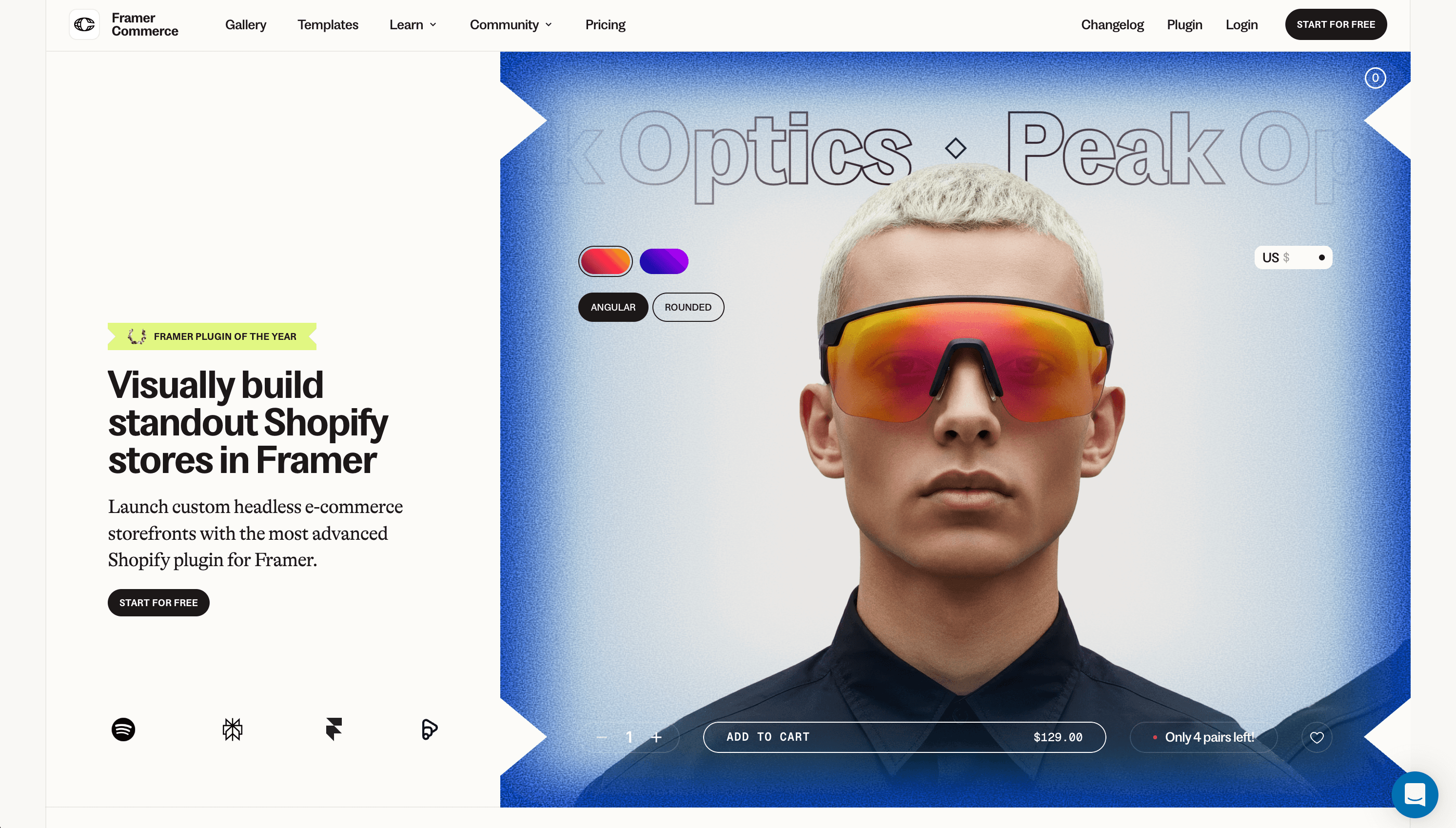
Before committing to Frameship, we had also explored Framer Commerce. While it uses a subscription model and can feel expensive when combined with Framer and Shopify plans, the experience was noticeably more stable.
Components changed less frequently, there were fewer bugs, and the support team was fast and responsive, especially through their Slack channel.
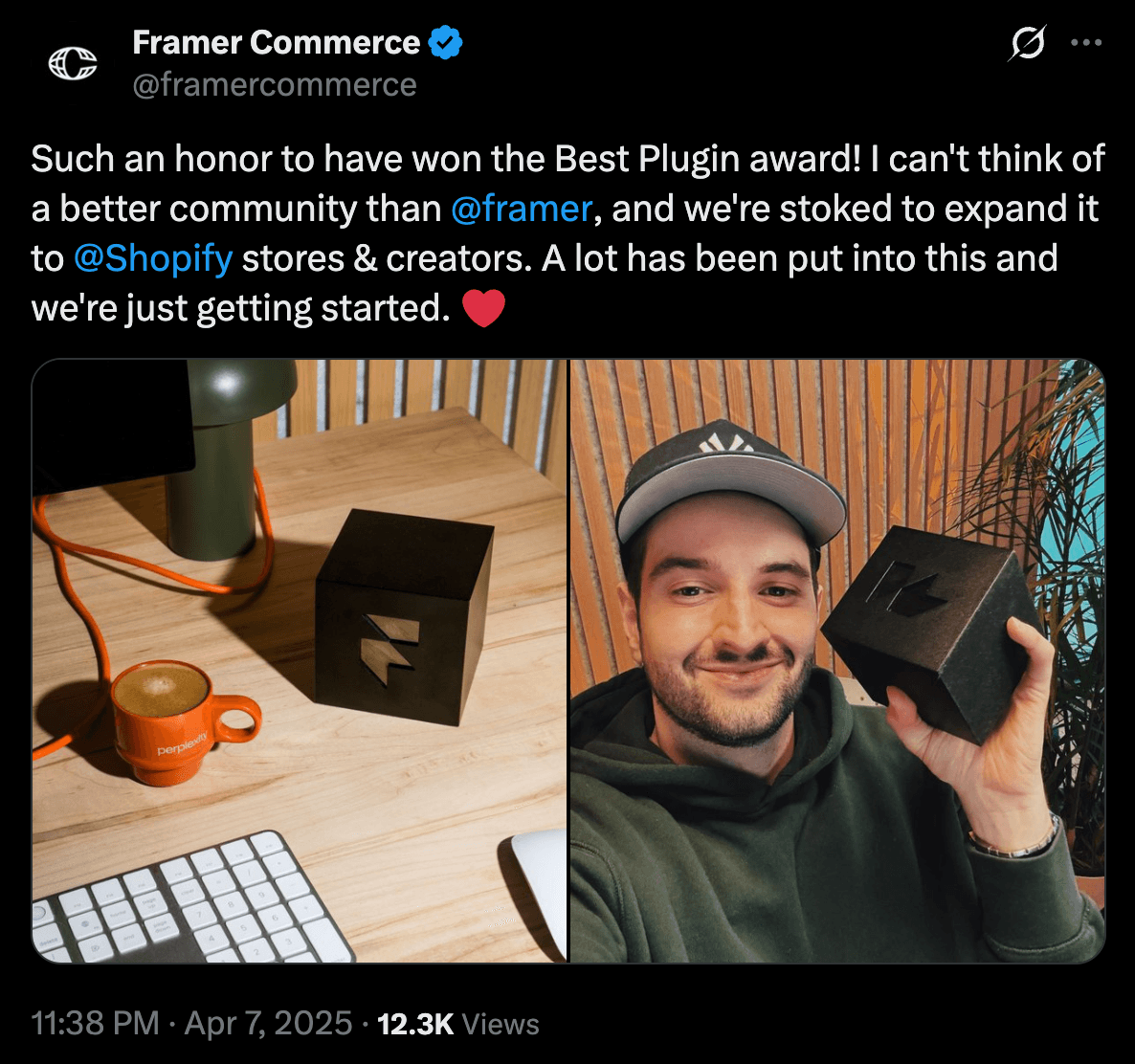
Plus they won plugin of the year in 2025! You can check it out yourself on Framer commerce's X account.
Pricing and Value
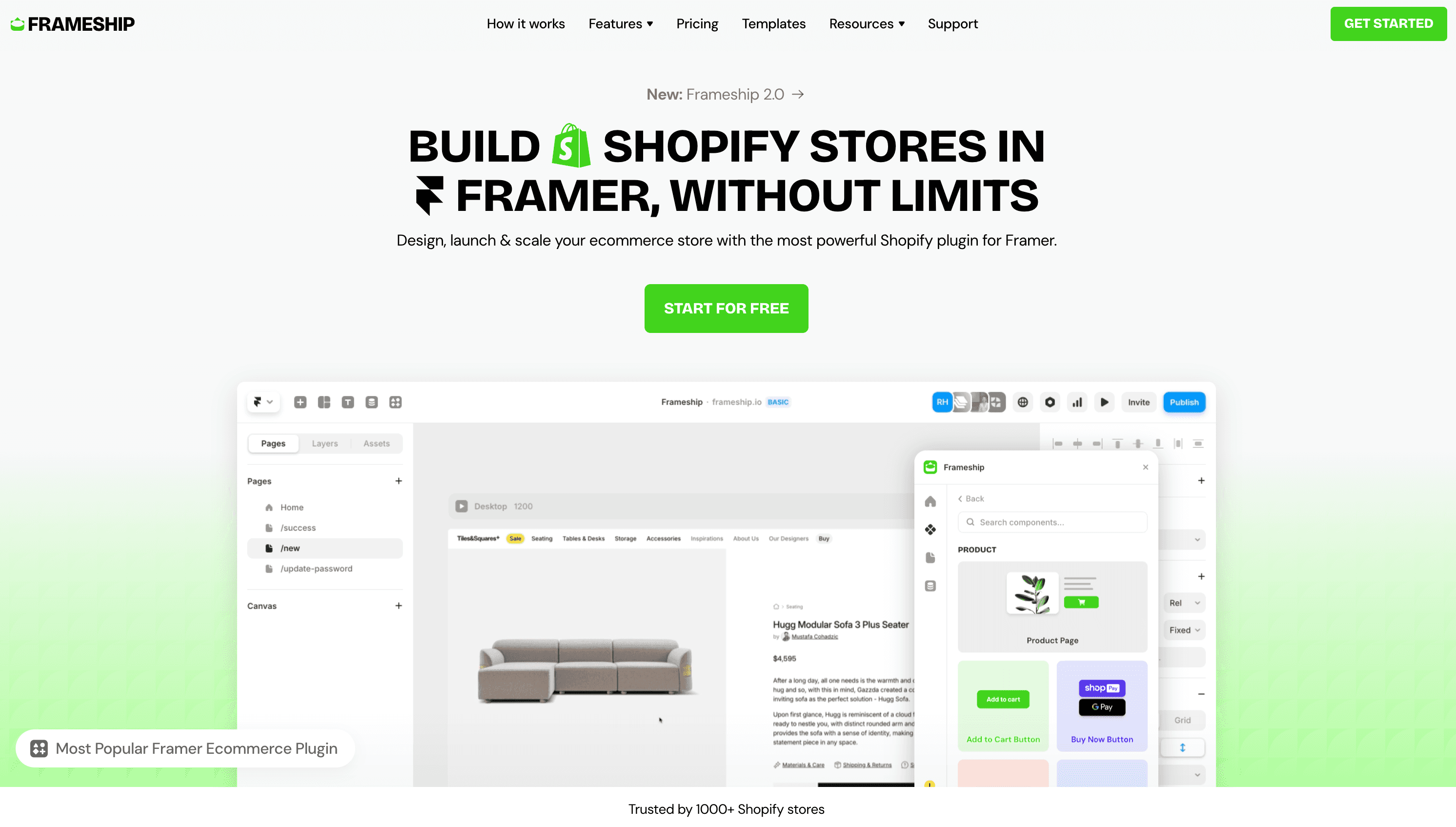
The biggest difference between the two plugins is how they’re priced. Frameship offers a one-time payment starting from $99, which includes lifetime access and updates. That’s appealing if you want to avoid recurring subscriptions and don’t mind maintaining the plugin yourself.
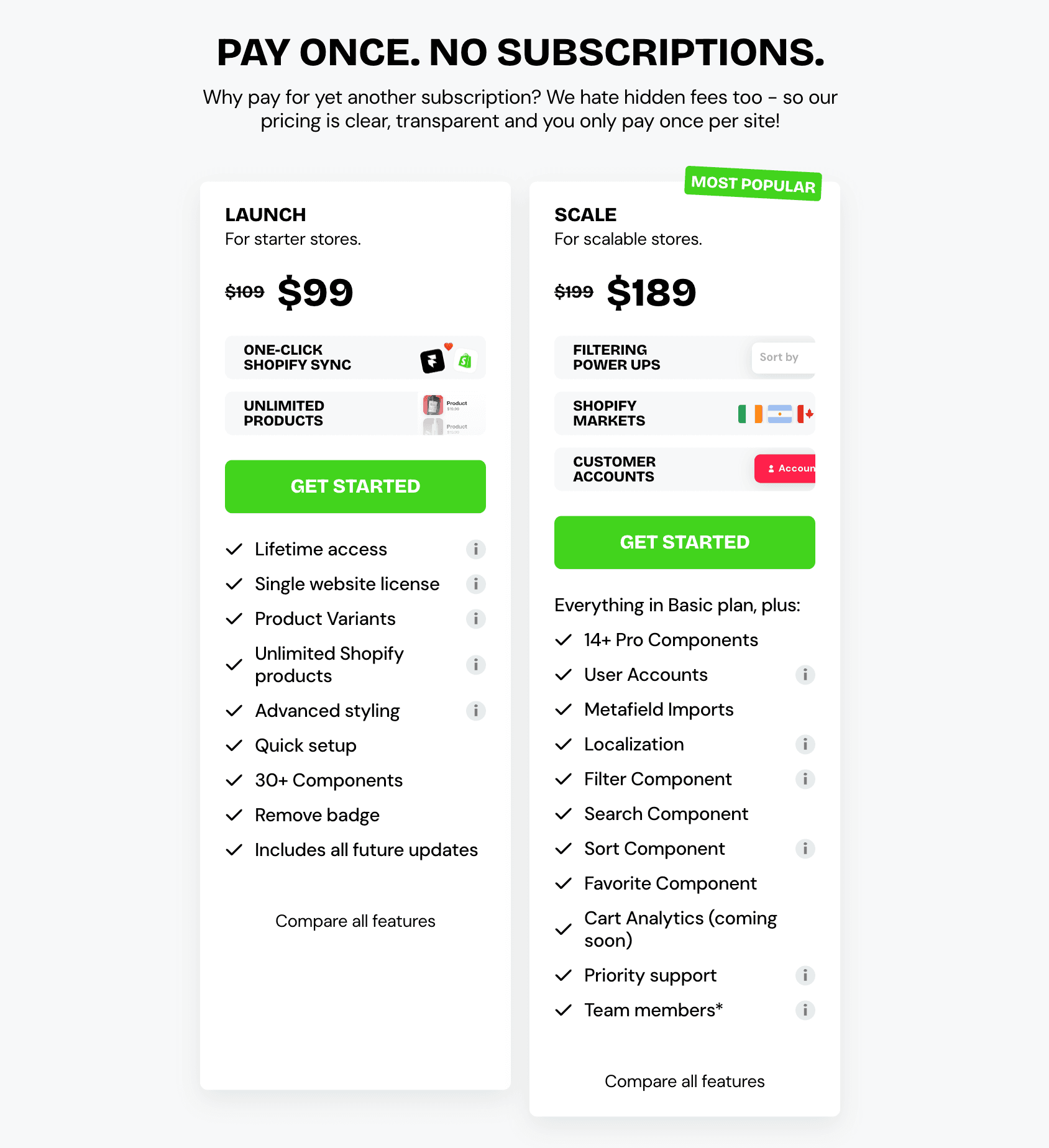
Frameship pricing
Framer Commerce, on the other hand, runs on a subscription model. Their plans start at $12 per month for up to 25 products, go up to $24 per month for 100 products, and top out at $40 per month for unlimited products.
While that might seem affordable on its own, you also need to consider the cost of a framer website and a Shopify subscription, which increases the overall cost.
That said, the extra investment in Framer Commerce paid off in saved time and lower maintenance. It’s designed to work inside Framer with minimal friction, and its stability helped avoid issues that would’ve taken time to fix with other tools.
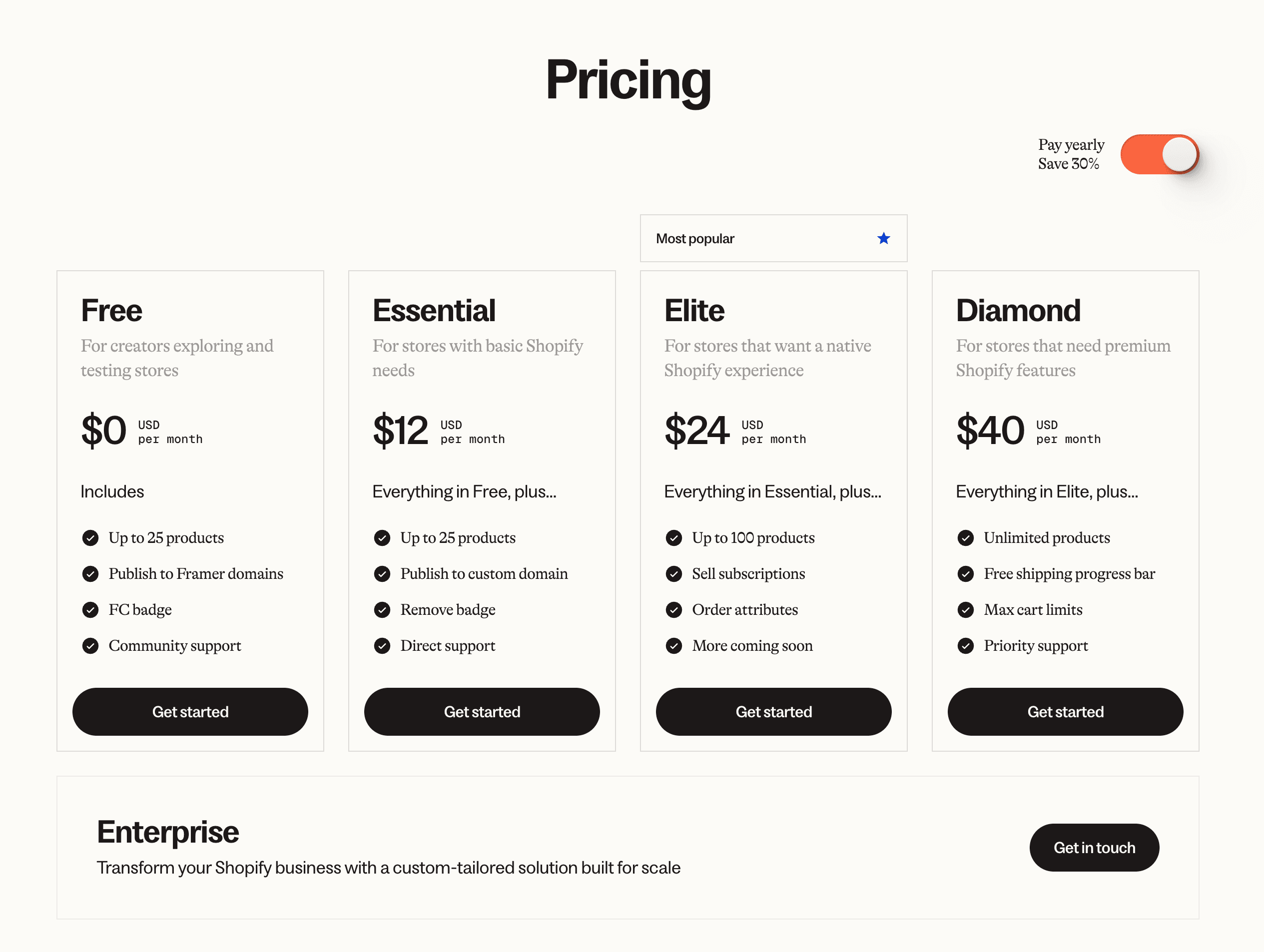
Framer commerce pricing
Setup and Workflow
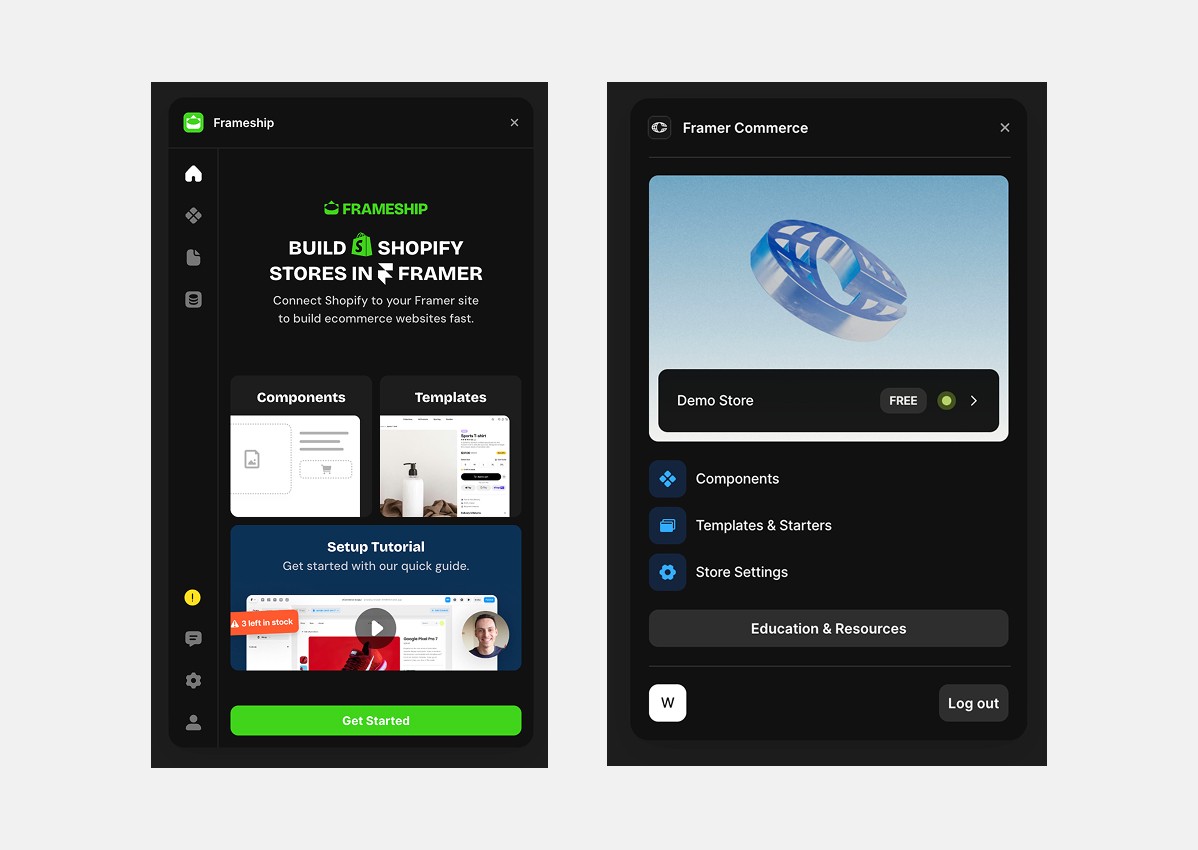
Both Framer Commerce and Frameship now have their own official plugins inside the Framer ecosystem, making the setup process much easier than it used to be.
You can simply install the plugin, connect your Shopify store, and start dragging components into your design.
They both support a drag-and-drop workflow, which makes building product pages, carts, and checkout flows feel more like designing in Figma than coding a traditional storefront.
Because of this, there’s no clear winner in this category. Both offer a smooth, visual setup experience, and for most creators, the workflow will feel equally intuitive.
So when it comes to setup and workflow, it’s a draw.
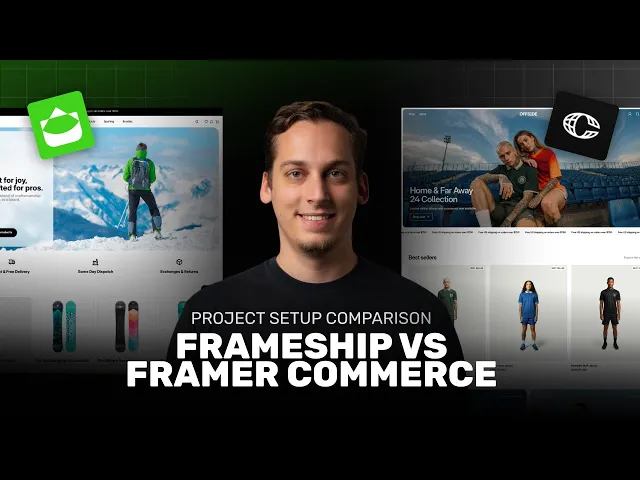
You can also watch this video from Lukas on how to set up Framer Commerce and Frameship.
Feature Comparison: Frameship vs Framer Commerce
While both plugins offer core ecommerce functionality for Framer and Shopify, their feature is different. Here's a quick breakdown of how they compare side by side as of January 2026:
Feature | Framer Commerce | Frameship |
|---|---|---|
Shopify Integration | Yes | Yes |
Subscription Products | Supported | Supported |
Free Shipping Bar | Included | Supported |
Product Filtering | Included | Included ($189 plan) |
Cart & Checkout Components | Included | Included |
One-Time Purchase | No (monthly plans) | Yes (from $99) |
Product Limits | Yes (plan-based) | No limits |
Support | Active and responsive (Slack) | Available but slower (Discord) |
Variants Selector | Included | Included |
Promo Progress Bar | Included | Supported |
You can read more detail of what feature they have on their pricing page, Framer commerce pricing, Frameship pricing
Support and Long-Term Use
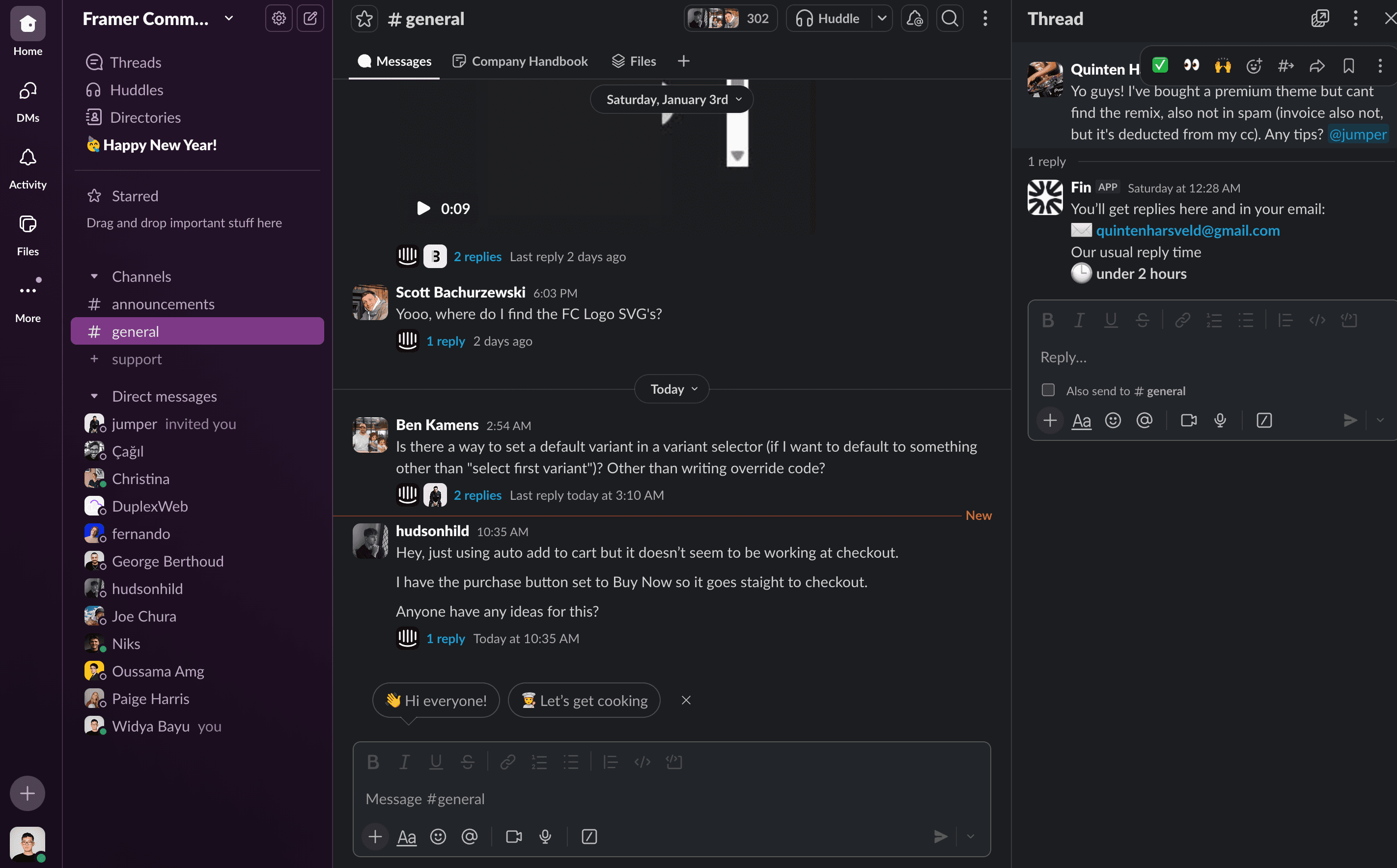
From a support perspective, Framer Commerce felt like the more reliable option. Their Slack channel is active, and any time someone ran into questions, the team usually responded within a few hours.
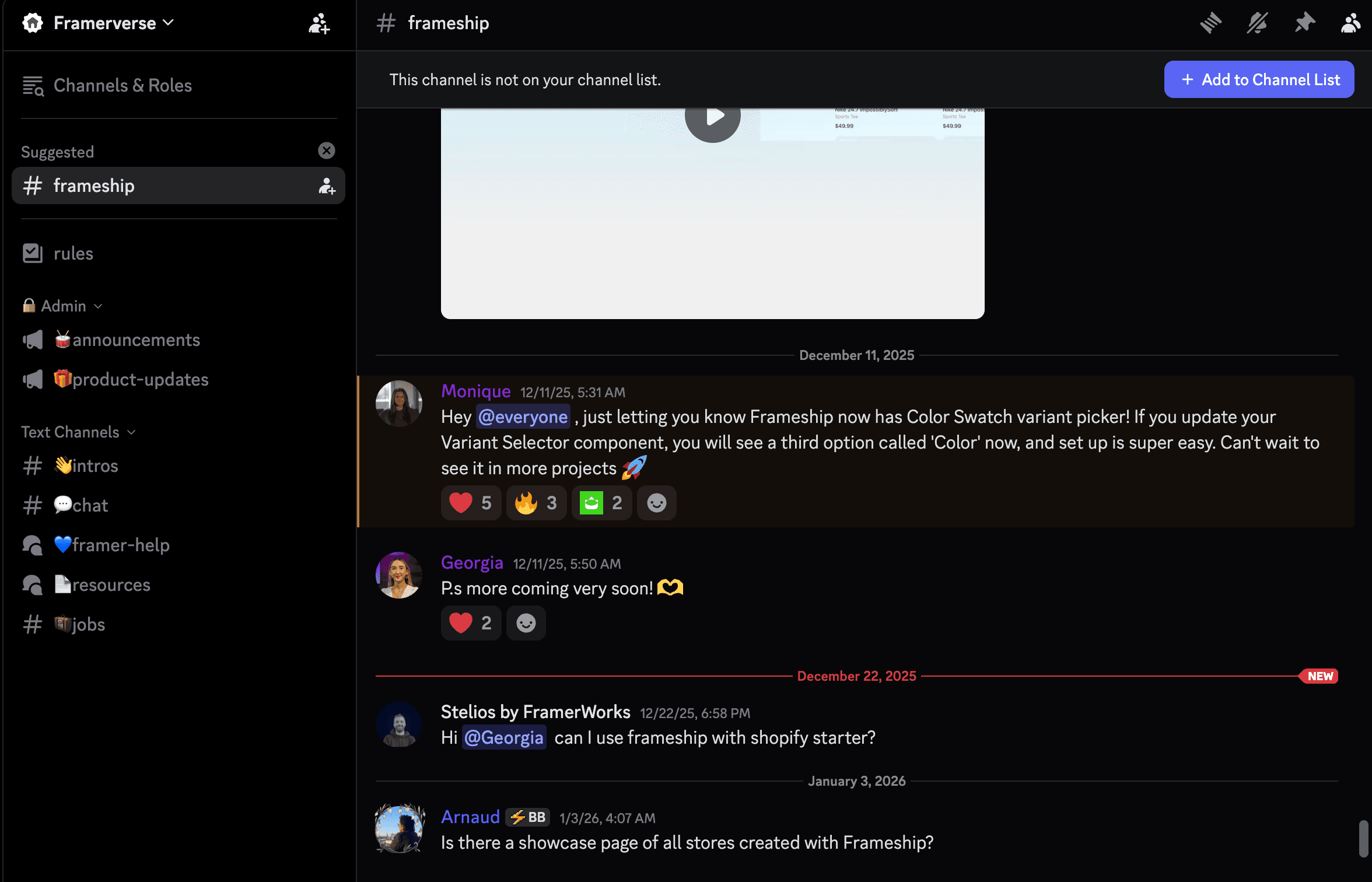
With Frameship, the support was helpful but slower on their Discord channel. The switch from v1 to v2 introduced significant changes that weren’t backward compatible. That meant more work on our side to keep templates or your website updated.
For solo creators or smaller teams, that kind of maintenance can easily eat into your time.
What the Community Is Saying
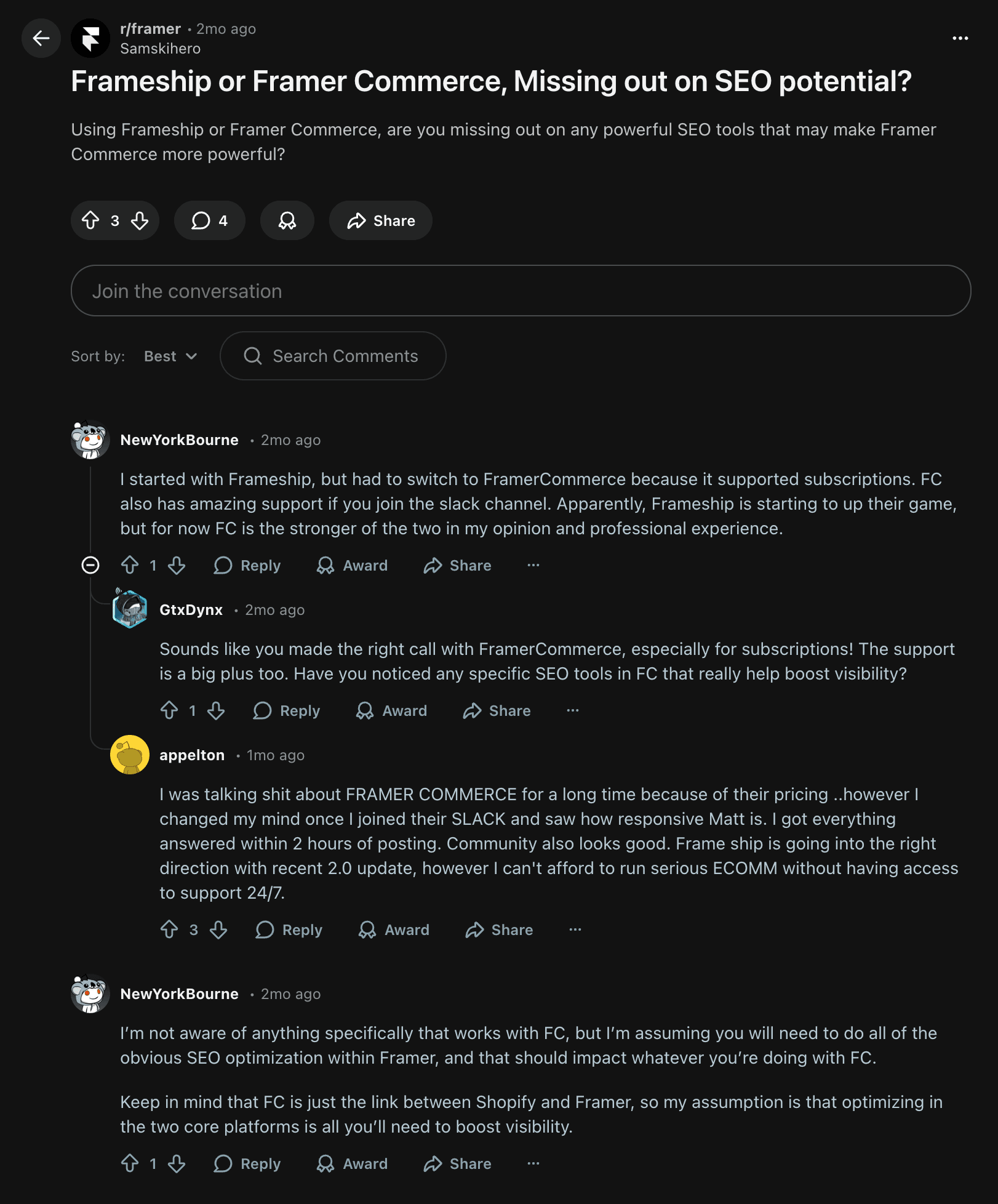
There’s been some chatter in this Reddit thread about Frameship and Framer Commerce.
A few users shared their experiences after trying both tools. One person said they switched from Frameship to Framer Commerce mainly because it supported subscriptions and the support team on Slack was super responsive.
Another admitted they were skeptical of Framer Commerce at first because of the pricing, but changed their mind after seeing how fast the team helped them out and how active the community was.
Final Thoughts
After building with both, I’ve found myself leaning toward Framer Commerce.
It’s more stable, the support team responds quickly (especially on Slack), and features like the built-in free shipping bar and support for subscriptions make the overall experience smoother.
While it does cost more, the time saved on maintenance and troubleshooting makes up for it, especially when you’re running an ecommerce site where any technical issue can cost you real sales.
That said, Frameship has made solid progress with their v2 update.
They’ve clearly been listening to feedback and shipping improvements. If you’re someone who prefers a one-time payment and doesn’t mind staying hands-on with updates, it could still be a good fit.
For me though, Framer Commerce just feels more reliable for client work, templates, and anything I want to confidently leave running without worrying about breaking changes.
In the end, both tools work, it just comes down to how much flexibility, control, and support you need based on what you're building.
If you're looking for the best Framer ecommerce template, feel free to check out our article where we covered the 10 Best Framer Ecommerce template (Free & Paid).
Meet the author
Widya Bayu W
Widya Bayu W is a Framer expert and Co-founder of Velox Themes, he has 7+ years experience in design industry and now helping designers and agencies build website faster.
Ship Fast With Quality Framer Templates
No code required
Fast support
Ship faster